Vitamins have been around long before we even knew what they were. Ancient civilizations had a pretty good grasp of how to stay healthy without today's fancy science. People learned through trial and error that certain foods could help them feel better and fight off sickness. It was all about paying attention to what worked.
For instance, the Egyptians used garlic and onions not just for flavor but also for their health benefits. They believed these foods could boost strength and support vitality. Think about that! They had no idea about vitamin C or antioxidants, but they were onto something by just using good, wholesome ingredients every day.
In ancient China, herbal medicine was the way to go. They mixed various plants and roots, really focusing on the balance of different ingredients to promote overall wellness. Some of these herbs packed vitamins and minerals that we recognize today, but back then, it was all about feeling good and keeping illnesses at bay.
The Greeks and Romans took it a step further by documenting their findings. They made connections between diet and health, understanding that certain nutrients influenced how the body functioned. People like Hippocrates even suggested that food could be medicine, which directly ties into our modern vitamin knowledge.
The Discovery of Essential Nutrients
Understanding essential nutrients has been a journey that's unfolded over many centuries. It all started back in the early 20th century when scientists began to realize that certain compounds in food were crucial for good health. Before that, people just ate what they could, not knowing the magic happening in their meals.
One standout moment was the discovery of vitamins in the early 1900s. Scientists isolated these vital substances and named them with letters like A, B, C, and D. Each vitamin serves a unique purpose: Vitamin C helps keep your immune system strong, while Vitamin D is crucial for bone health. It's amazing to think about how these little elements can have such a big impact on our well-being!
In the following decades, researchers dug deeper. They found out about the links between deficiencies and certain health issues. For instance, a lack of Vitamin B1 could lead to a disease called beriberi, and insufficient Vitamin C can cause scurvy. Suddenly, people understood that what’s on their plate matters a whole lot more than they ever thought.
Today, we have a better grasp on these nutrients thanks to advances in research. We know about minerals like calcium and magnesium, and how they play important roles too. Modern diets have evolved, focusing on how to get all the essential nutrients we need. Whether it’s through whole foods or supplements, the goal is to keep our bodies healthy and thriving, especially as we age.
Impact of Vitamins on Health
Vitamins play a huge role in keeping our bodies healthy, especially as we age. Every vitamin does something special, and they all work together to make sure we feel our best. For folks over sixty, getting the right vitamins can really boost energy levels, improve mood, and even support mental clarity.
Take Vitamin D, for instance. It’s often called the sunshine vitamin because our bodies make it when exposed to sunlight. For seniors, proper levels of Vitamin D can strengthen bones and keep our immune system strong. Not to mention, it helps ward off feelings of sadness, which is really important.
Vitamin B12 is another key player. As we age, absorption of this vitamin can decline, leading to fatigue and even memory issues. Supplementing with Vitamin B12 can help keep your energy up and your mind sharp, making it a vital addition to your daily routine.
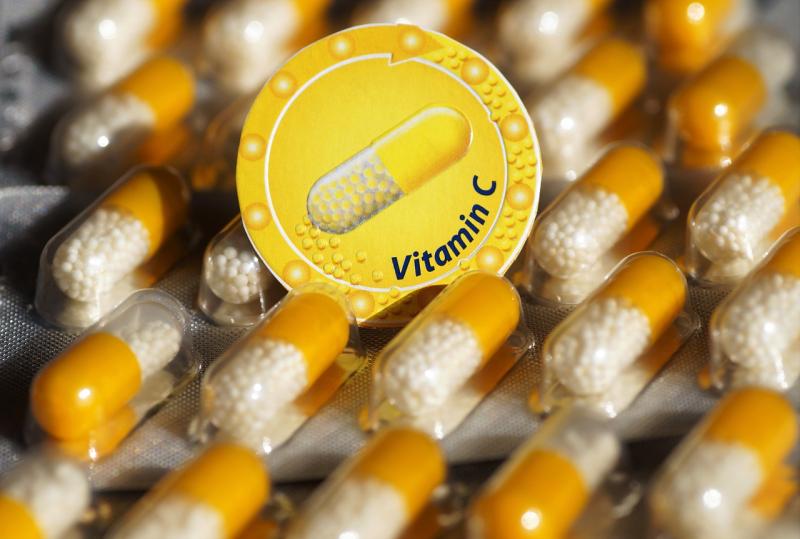
Don’t forget about Vitamin C! This powerhouse antioxidant helps protect against inflammation and supports a healthy immune system. Regular intake can make a noticeable difference, especially during cold and flu season.
Ultimately, vitamins can be a game changer for health in our sixties and beyond. They help keep our bodies running smoothly, boost our mood, and support overall well-being. It's worth taking a closer look at your vitamin intake and, if needed, chatting with your doctor about the best options for you.
Modern Understanding of Vitamins
These days, we know a lot about vitamins and how they help keep us healthy. Vitamins are essential nutrients that your body needs to function well. They play a big role in everything from energy production to keeping your immune system strong.
Modern research shows that there are 13 important vitamins, each with its own unique benefits. For example, Vitamin C is famous for its ability to boost your immune system and help heal wounds. On the other hand, Vitamin D helps your body absorb calcium, which is key for keeping your bones strong.
People often chat about getting enough of these vitamins in their diets. Eating a colorful variety of fruits, vegetables, whole grains, and lean proteins is the best way to make sure you're getting what you need. If you're worried about missing out on certain vitamins, there are supplements available, but it's best to chat with a doctor before starting any new ones.
Recent studies keep adding to our understanding of vitamins. For instance, researchers are discovering how certain vitamins can affect mood and even cognitive function. This is super exciting because it shows that taking care of our nutritional needs might help our mental health as we age.